The Trek
A real Himalayan summit, folded into a single weekend
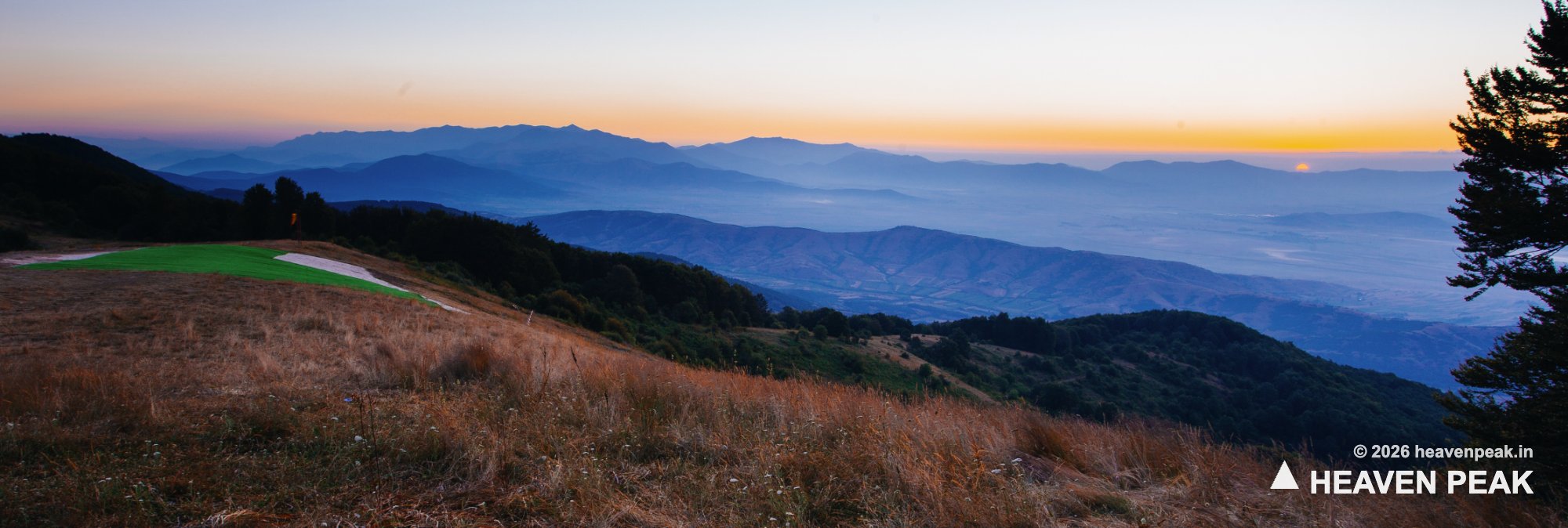
The Nag Tibba Weekend Trek is the rare summit climb you can finish before Monday. Resting at 9,915 ft, the Nag Tibba top is the highest point in the Nag Tibba range of the Garhwal Himalayas, and from it you get a near-180-degree wall of snow peaks: Swargarohini, Bandarpoonch, Kala Nag, the Gangotri group, and on the clearest mornings, Kedarnath far to the north.
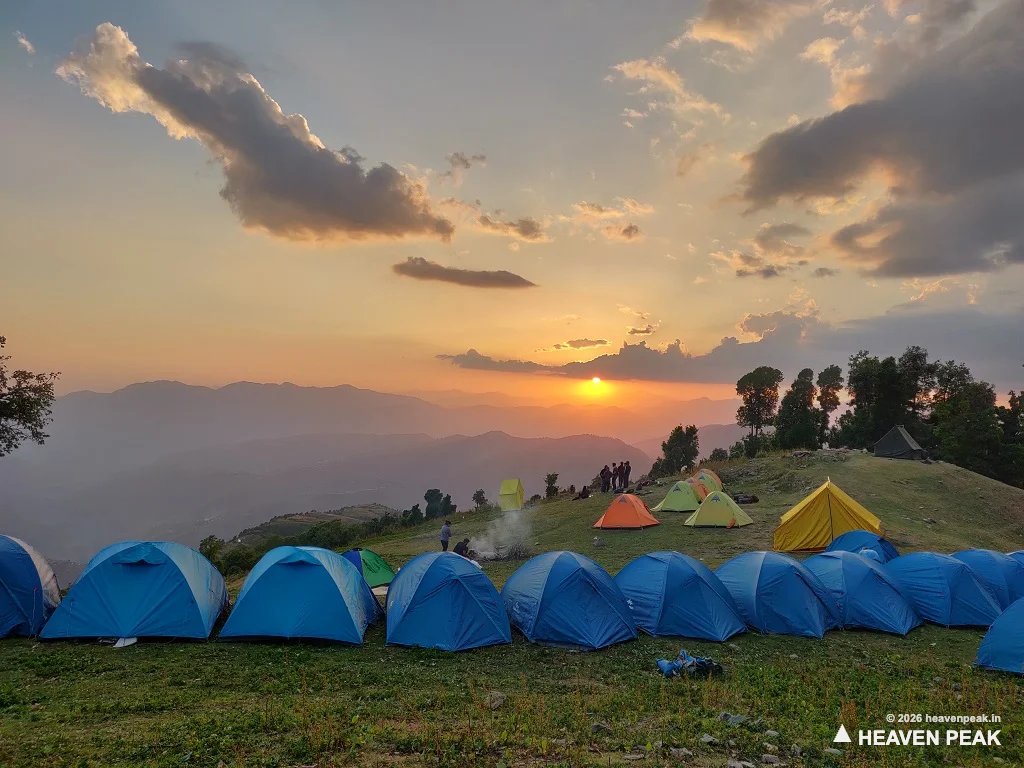
You climb up one face of the mountain and come down another, so the weekend never repeats itself. Day one moves through thick oak and rhododendron forest to a quiet clearing where we camp. Day two is the summit push at dawn, the long views, and the descent back to the trailhead. Two days, roughly 15 km, and a sky full of stars in between.
Why people who hate "adventure" love this one
You do not need to be fit like an athlete. You need to be able to walk 5 km without stopping. Nag Tibba is graded easy to moderate, which is why first-timers, parents with kids aged 10 and up, and desk-bound weekend escapees all finish it grinning. The trail is well marked, the gradient is forgiving, and the payoff at the top is the same one the hard treks promise.
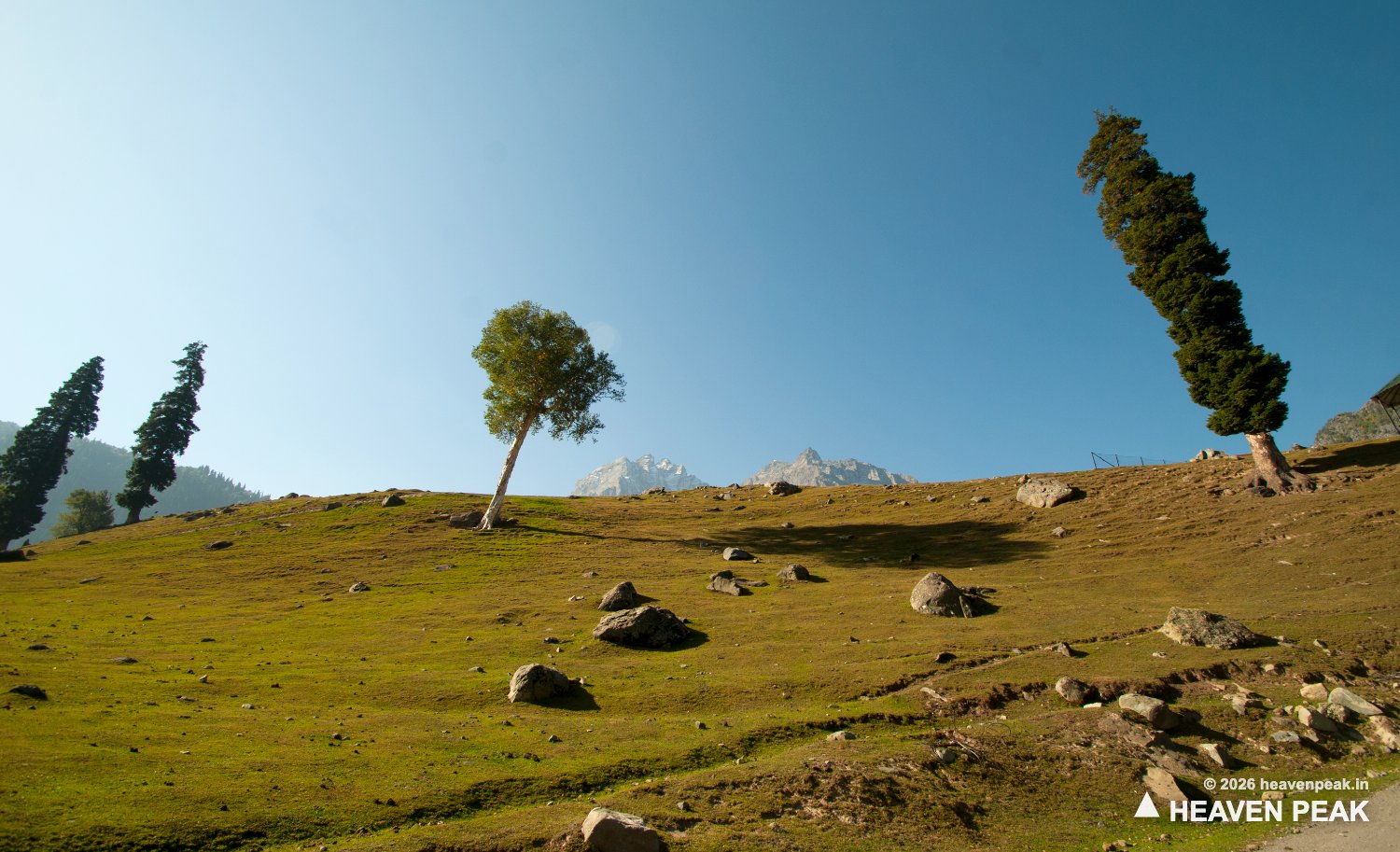
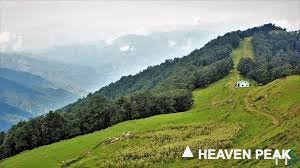
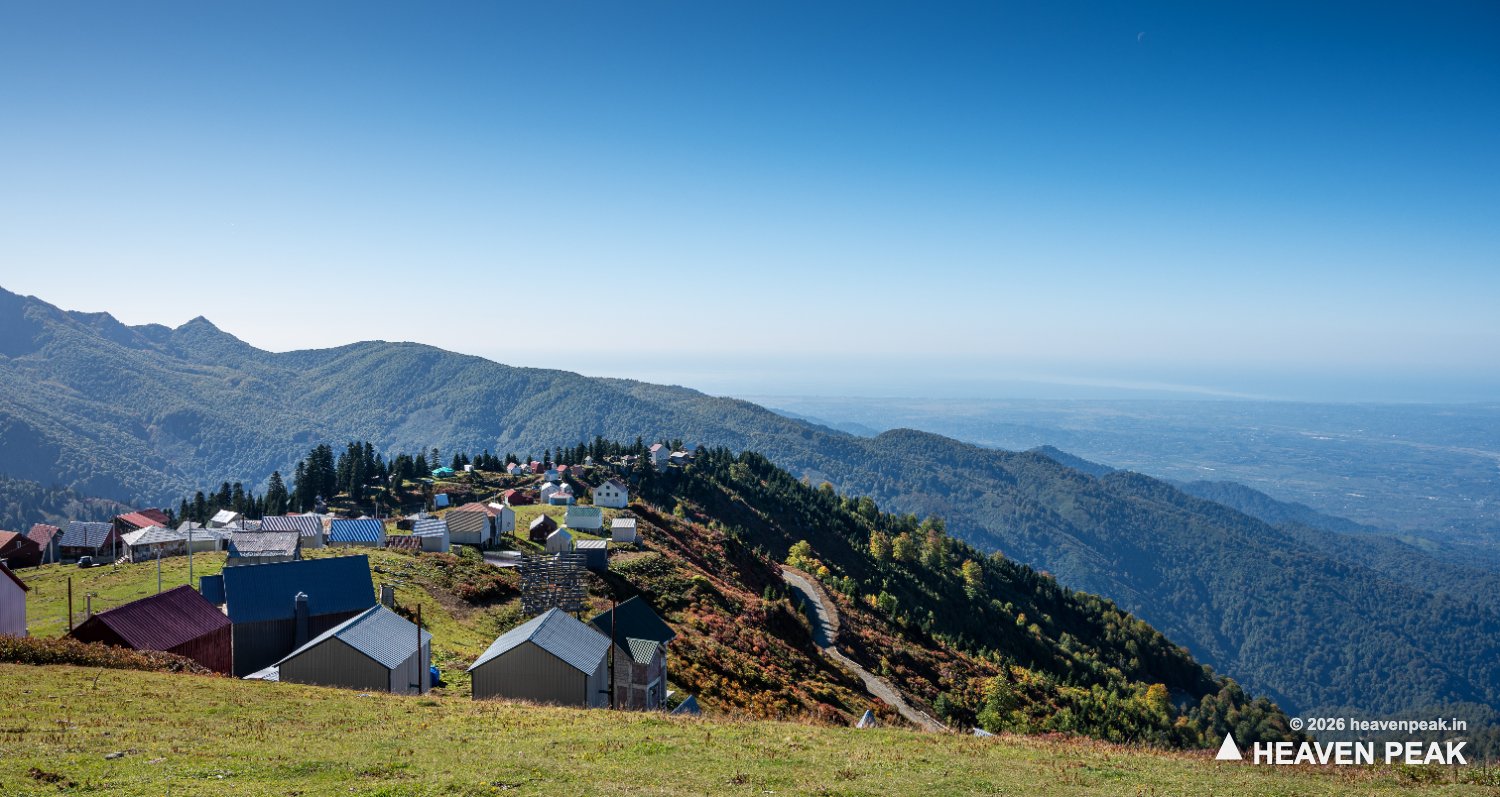
- Forest, ridge and summit in one trip — the landscape changes every hour, from dense woods to open clearings to the final rocky ridge.
- A campsite worth the drive — sunset behind the ranges, dinner under the open sky, and a night sky most city people forget exists.
- The Nag Tibba temple — a small, bright shrine to Nag Devta tucked into the trees near the top, and the reason the mountain carries its name.
Getting there is the easy part
The trek begins at Pantwari, a calm hamlet about 85 km from Dehradun, reached by a scenic drive through Mussoorie, the queen of the hills. You only have to get yourself to Dehradun, by overnight train, bus, or a flight into Jolly Grant airport. We handle every kilometre after that. Reach Dehradun, and the mountain is on us.
Because it runs over a weekend and sits close to the road, Nag Tibba works in almost every season. Spring fills the trail with wildflowers and clear skies. Winter, from December to February, lays snow across the summit ridge and turns the whole climb into something out of a postcard. The only month we sit out is the monsoon.